

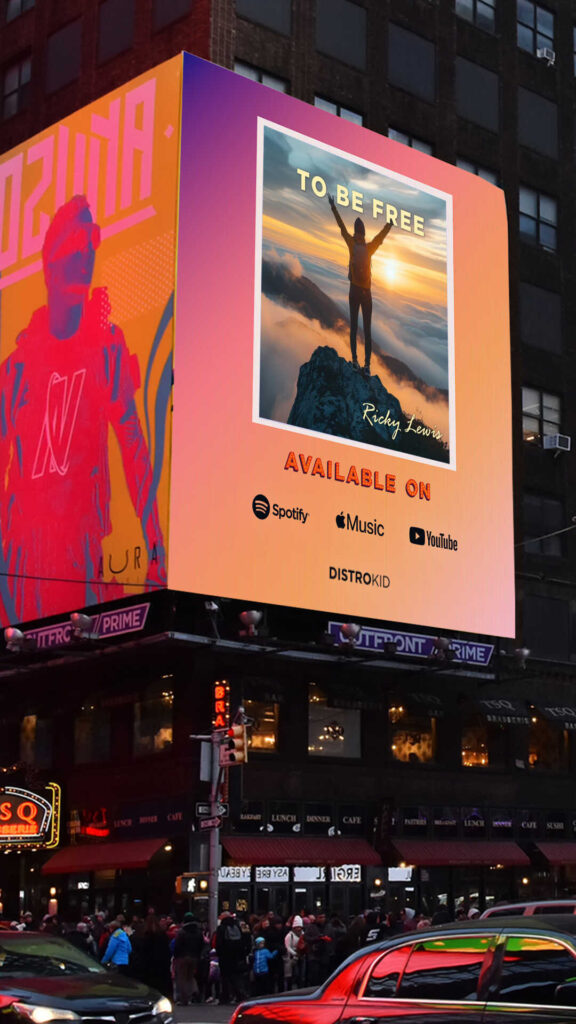
“To Be Free” was the eleventh song I wrote in my twenties, a period when I found myself reflecting deeply on the human condition, the devastation of war, and our seemingly endless cycle of conflict. Watching news reports of violence around the world and studying the tragedies of history left me wondering why humanity, after thousands of years, still struggles to live in peace.
The song begins on a battlefield, standing among the ashes of destruction and witnessing the agony that war leaves behind. The image of a single yellow flower blooming across a barren landscape became a symbol of hope for me, a reminder that even in the darkest places, life continues to endure. The wandering spirits in the song represent the countless lives lost to hatred, violence, and the ambitions of those who choose war over understanding.
As the song unfolds, I climb a mountain and look down upon the world, reflecting on the damage humanity has inflicted upon itself throughout the centuries. The lyrics ask whether, after a thousand years of struggle, we might finally learn to heal rather than destroy, to unite rather than divide. It is a question that remains as relevant today as it was when I first wrote the song.
The chorus expresses a longing that goes beyond political freedom or the absence of war. It speaks to a deeper spiritual freedom, the freedom to live without fear, prejudice, greed, or hatred. I wanted to capture the simple, effortless freedom found in nature: birds soaring through the sky, fish swimming through open waters, bees moving from flower to flower. These creatures exist in harmony with the world around them, unconcerned with borders, ideologies, or conflict. Their freedom became a metaphor for the kind of world I hoped humanity might one day create.
In the second verse, I look out through a window and watch life pass by, comparing our fleeting existence to flowers reaching for the sun. It reflects my belief that life is precious and temporary, and that much of our suffering comes from our inability to understand why we are here and how we should live together. The song asks some of humanity’s oldest questions, where, what, why, and when, in the hope that greater understanding might lead us toward greater peace.
The bridge is perhaps the heart of the song. It imagines a world where people from different nations, cultures, and beliefs extend open hands to one another rather than clenched fists. It suggests that if we could rise above our divisions and look beyond our own narrow perspectives, we might finally discover what true freedom means, not freedom for one nation, one race, or one ideology, but freedom for all people.
Ultimately, “To Be Free” is both a protest against war and a prayer for peace. It is a hopeful song that acknowledges humanity’s failures while still believing in our potential to become something better. More than anything, it expresses a dream that one day we might learn to live together in harmony, heal the wounds of the past, and allow future generations to inherit a world defined not by conflict and hatred, but by compassion, understanding, and freedom.
Listen on Spotify or Apple Music: